In the heart of Wrocław there’s an 800-year-old witness to history — the Market Square. From medieval trade and royal processions to bombings and breathtaking rebirth, this vast square has seen it all. Discover the captivating journey of one of Europe’s grandest city centers, where every cobblestone has a story to tell.
The Beating Heart of a City: A Square Like No Other
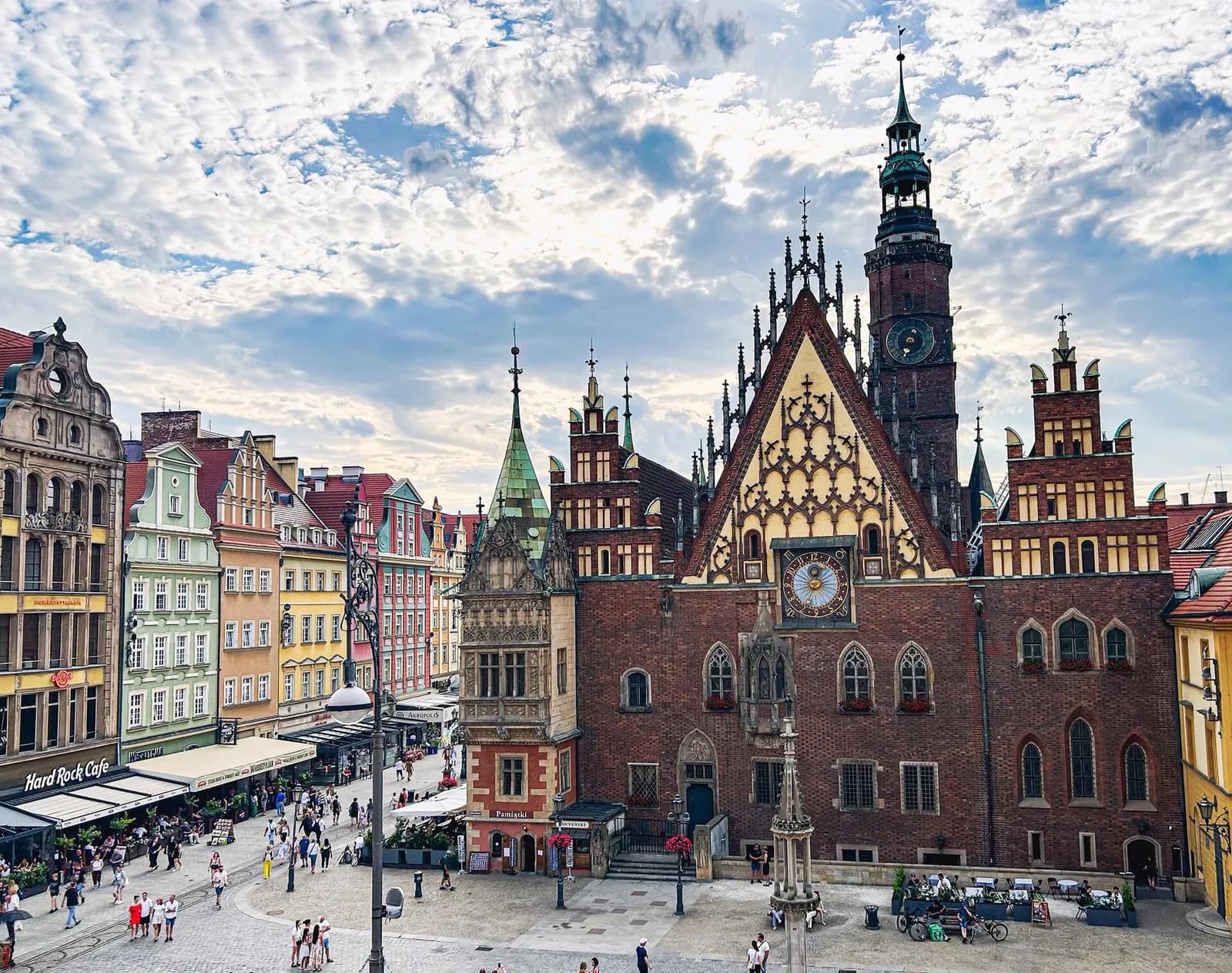
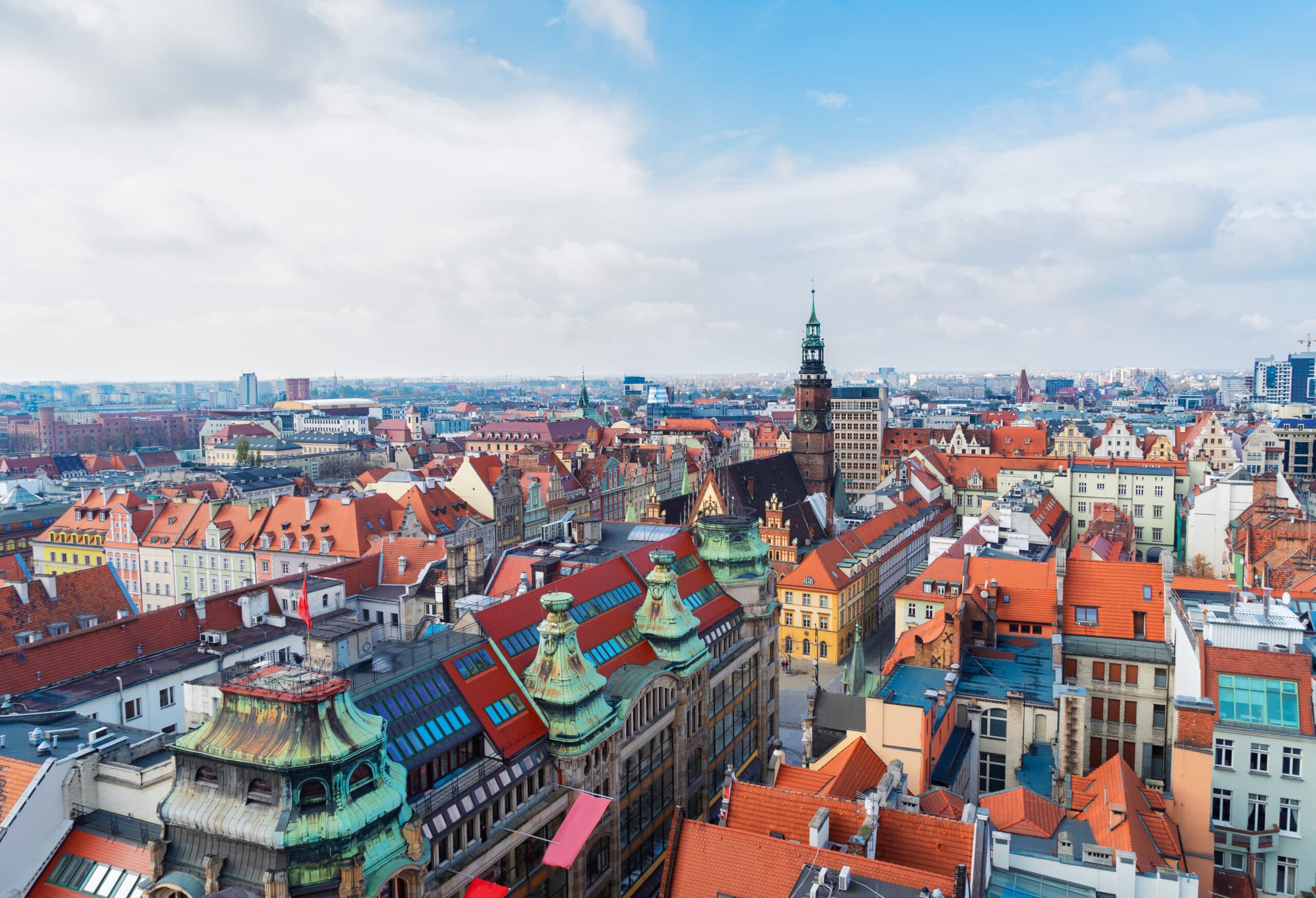
When you walk into Wrocław’s Rynek (Market Square), you’re not just entering a public space. You’re stepping onto a living stage where centuries of Polish, Bohemian, Austrian, Prussian, and German history have played out. Once known as the Großer Ring of Breslau, this medieval square has transformed dramatically — and yet, it still holds onto the echoes of its past. With nearly 40,000 square meters of open space, the Market Square is not only one of the largest old town squares in Europe but also one of the most symbolically charged.
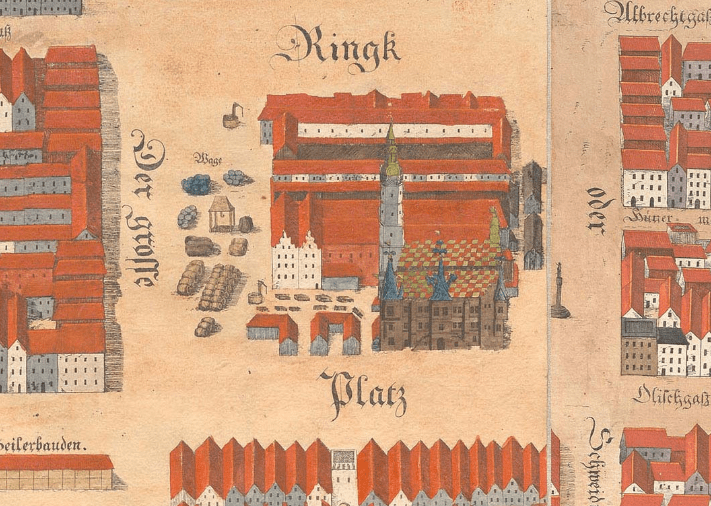
Established officially in the early 13th century, the Market Square was born during the reign of Henry I the Bearded, Duke of Wrocław. Initially a practical move — relocating the city center to the west bank of the Oder for better trade and flood protection — the Market Square soon became the nucleus of civic life. Streets were carefully carved out from it, plots were measured precisely, and the rules of commerce took shape. It wasn’t just a market — it was the foundation of a city-in-the-making.
Curious about Wrocław’s origins? Explore Cathedral Island’s history!Medieval Marketplace to Civic Metropolis
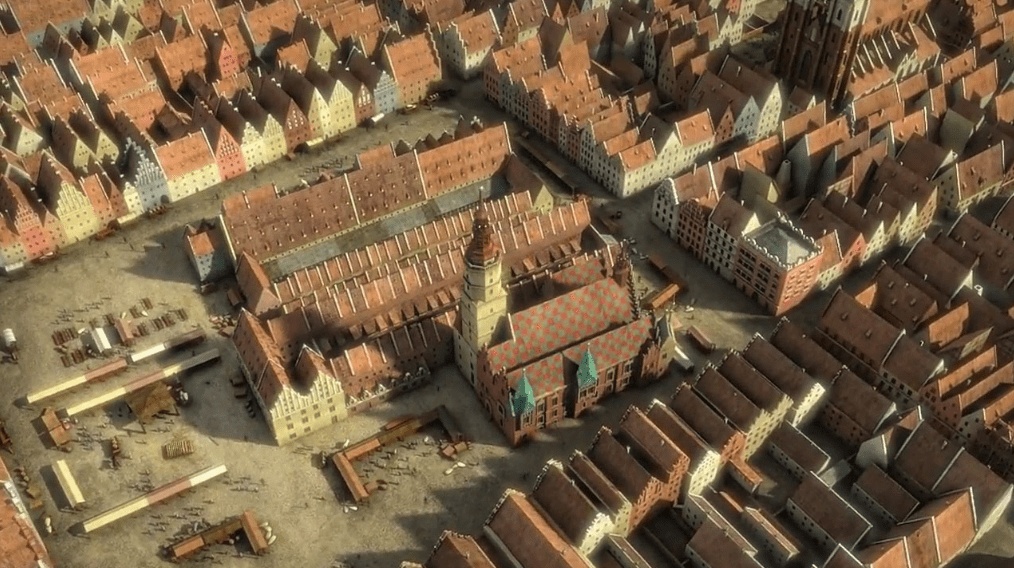
In its earliest days, the square bustled with activity: merchants traded cloth, spices, bread, and livestock. The central block, or “tret,” featured rows of wooden stalls and later brick Sukiennice (cloth halls), echoing the rhythms of medieval commerce. Ropes of linen, racks of cured meat, the clang of blacksmiths’ hammers — the Market Square was a medieval economy in motion.
Over time, the Market Square evolved beyond commerce. As Wrocław grew, so did the importance of its main square. The 14th-century construction of the Gothic-style Old Town Hall (Stary Ratusz), with its towering clock and richly ornamented façade, signaled a shift — the square was no longer only for merchants, but also for magistrates, aristocrats, and artists. By the 16th century, a growing merchant class had adorned the square’s edges with ornate patrician homes, many of which still stand today in stunning pastel hues.
Moments of Majesty — and Darkness
The Market Square was no stranger to royal visits and pageantry. In the 17th century, the Kamienica under No. 8 transformed into a temporary royal residence, while elaborate frescos on its façade paid homage to Emperor Leopold I and the Seven Electors of the Holy Roman Empire. But the square also bore witness to more harrowing scenes. Public executions, floggings, and acts of humiliation were carried out near the pręgierz — the pillory.
Even during the 20th century, the Market Square was stained with tragedy. In January 1945, as Nazi-occupied Breslau teetered under the Soviet siege, the square became the site of Wolfgang Spielhagen’s execution — a former mayor accused of defeatism. The final months of WWII left the square in ruin. Bombings and street battles turned centuries-old façades into skeletal remains. Over 60% of the city was damaged or destroyed.
Discover the story of Wrocław’s iconic dwarfs!Postwar Resurrection: A Symbol of Hope
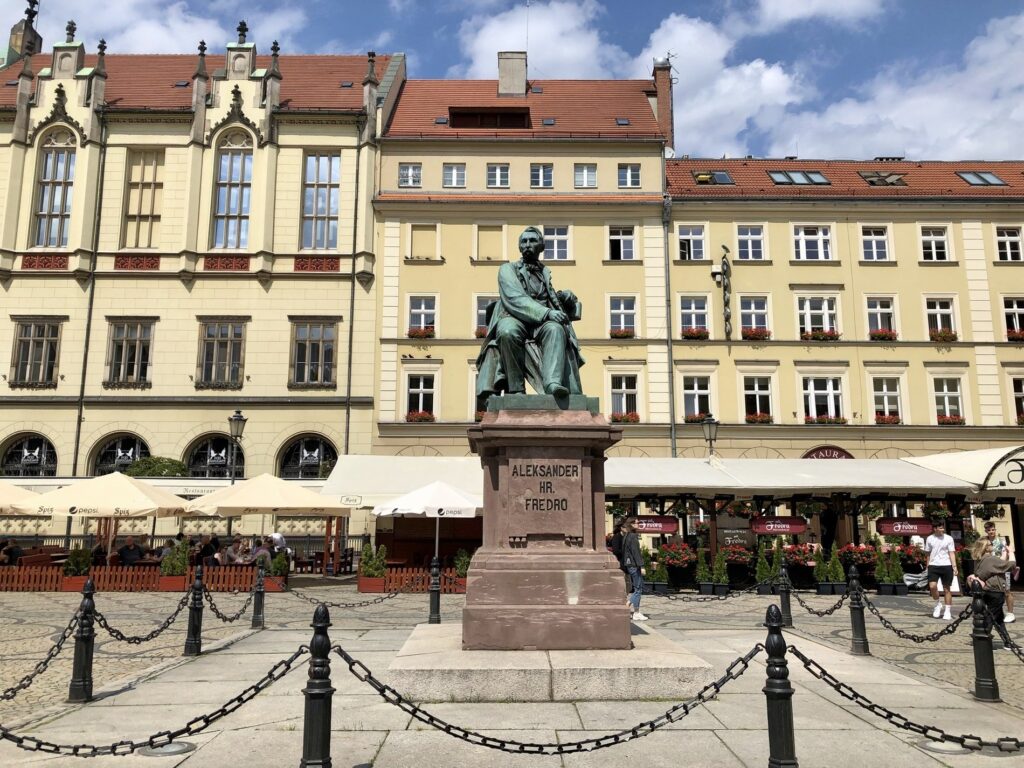
Against the odds, the Market Square rose from the rubble. Postwar efforts led by Polish architects and preservationists saw many buildings meticulously reconstructed — not to erase history, but to restore dignity. The square became a mirror of memory: faithful to its Gothic, Renaissance, and Baroque past, yet full of new life. Notably, the sculpture of playwright Aleksander Fredro, moved from Lviv, was placed here in 1956, becoming a symbolic monument for the repatriated Poles who made postwar Wrocław their home.
Today’s Market Square: A Stage for Culture and Community
Today, the Market Square is Wrocław’s cultural engine. At any time of year, the Market Square transforms into a venue: street artists, markets, political parades, concerts, and festivals fill its expanse. The annual Christmas Market is legendary — wooden chalets, mulled wine, and handmade gifts conjure a fairytale setting that attracts over a million visitors. In summer, the square hosts culinary festivals like Europa na Widelcu, showcasing tastes from around the world. There’s even a parade for dogs (“Hau Are You?”) and the quirky Dwarf Festival honoring the city’s beloved miniature statues.
The Market Square is also a gallery under the sky. Sculptures, rotating outdoor exhibitions, and art installations dot the space. Just a few steps away, Solny Square offers 24-hour fresh flowers and a beautifully restored WWII-era bunker-turned-art space, Movie Gate.
Here’s our guide to the best green spaces of Wrocław!Hidden Gems and Lasting Legends
Among the square’s most fascinating elements are the Kamienice (tenement houses). Jaś and Małgosia — two petite houses near St. Elizabeth’s Church — are joined by an arch inscribed with “Mors Ianua Vitae” (“Death is the gateway to life”), a nod to their past as a cemetery entrance. Or consider the Kamienica under the Blue Sun, a shimmering relic of Renaissance grandeur. And don’t miss the modern oddity: a fake window painted onto a building — a playful touch among centuries of real ones.
Underneath, a labyrinth of tunnels and beer transport routes lies silent, while above, visitors sip espresso or local craft beers on sun-drenched terraces. Some even listen for Wrocław’s lesser-known, yet proudly played, noon trumpet call — the city’s own hejnał.
The Square That Never Sleeps
Wrocław’s Market Square isn’t just a historical landmark — it’s a palimpsest of Polish identity, urban resilience, and human spirit. A place where medieval trade met Enlightenment politics, where war left scars and reconstruction brought renewal. It is as much about the cobblestones and gables as it is about the people who have gathered here for eight centuries — to trade, protest, dance, mourn, and celebrate.
Visiting Wrocław without experiencing the Market Square is like reading a novel but skipping the central chapter. It’s where the soul of the city reveals itself — in every sunset against gothic spires, every echo of footsteps through archways, and every whisper of history beneath your feet.