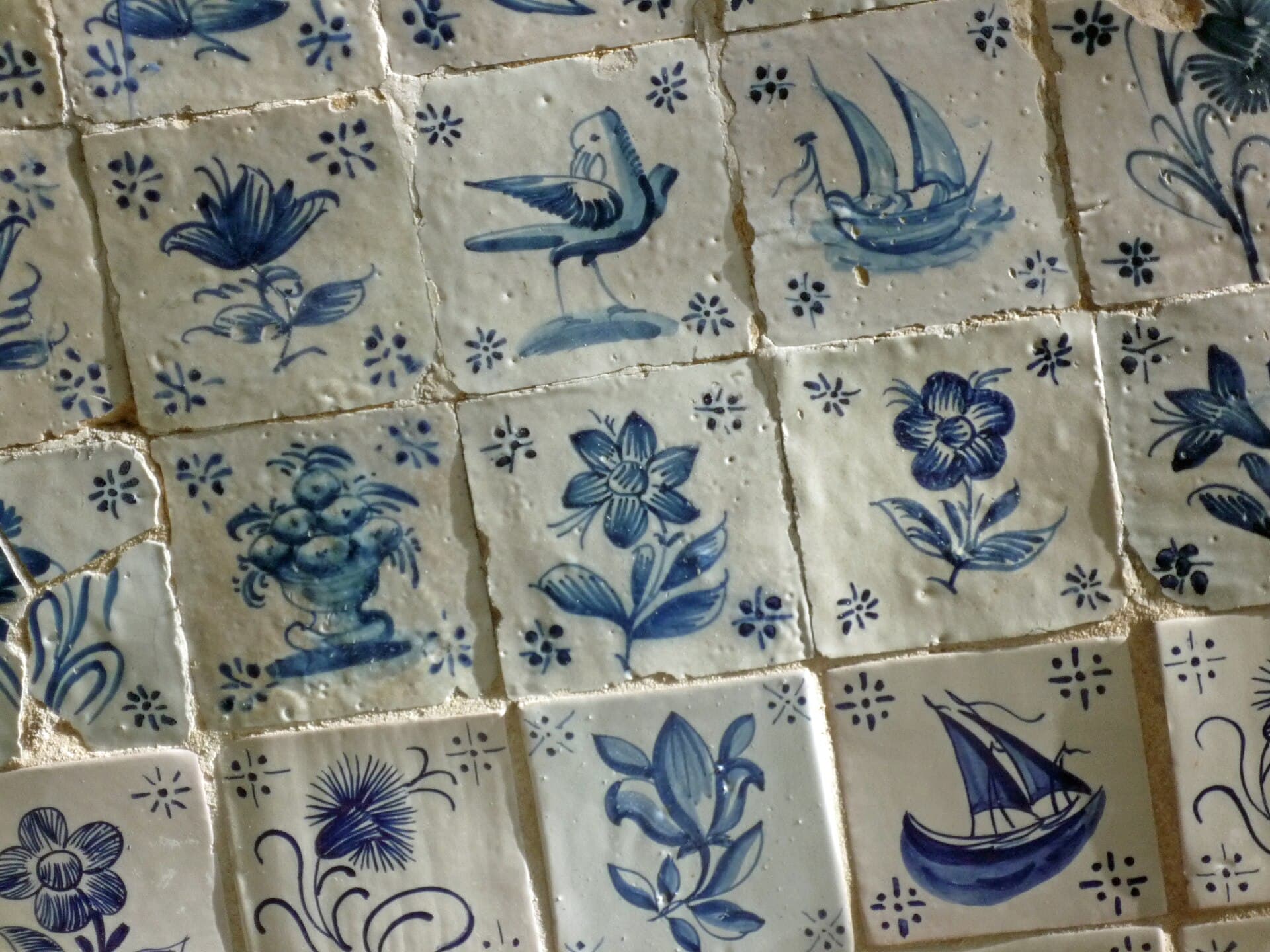
Visitors to the National Museum in Wrocław can travel through centuries of European decorative art without leaving the gallery. The Tiles. Ceramic Intermezzi, on display until 30 August 2026, presents one of the museum’s lesser-known but remarkably rich collections, showcasing historic ceramic wall and floor tiles from Spain, the Netherlands and medieval Germany.
Curated by Jolanta Sozańska, the intimate exhibition reveals how decorative ceramics evolved from practical architectural features into symbols of wealth, craftsmanship and cultural identity.
A hidden treasure from the museum collection
The exhibition draws from the National Museum’s collection of 186 historic wall and floor tiles, with visitors seeing a carefully selected group representing centuries of European ceramic production.
The stars of the exhibition are the vibrant Spanish azulejos and the iconic blue-and-white Dutch Delft-style tiles, both admired not only for their beauty but also for the stories they tell about everyday life, religion, trade and social status.
While many visitors associate museums with paintings and sculpture, these ceramic objects demonstrate how art once formed part of ordinary homes, churches and public buildings throughout Europe.
From Moorish Spain to Dutch Golden Age interiors
The exhibition traces the fascinating journey of ceramic wall tiles across Europe.
The tradition reached Spain during the 10th century through Arab influence, eventually becoming so widespread that the saying “no hay casa sin azulejos” (“there is no house without tiles”) became part of Spanish culture. Richly coloured azulejos decorated homes, palaces and religious buildings, transforming architecture into works of art.
In the Netherlands, ceramic tiles became popular during the 15th century, inspired by Italian majolica. Dutch craftsmen combined practicality with decoration, creating durable glazed tiles suitable for kitchens, fireplaces and entrance halls.
By the 17th century, Dutch workshops had become Europe’s leading exporters of ceramic wall tiles, shipping their products across Scandinavia, Germany, Russia and even South America.

Wall tiles of the Alcazar, Segovia, Spain. – Credit: Frank K. – Licensed under: CC BY-SA 2.0
Highlights not to miss
According to curator Jolanta Sozańska, several pieces deserve special attention.
Among the Spanish collection is a rare ceramic house address plaque bearing a coat of arms, once used during the Renaissance to identify prestigious residences and display the owner’s social standing.
Another standout object is a magnificent large Rococo ceramic panel depicting an exotic bird, believed to be a kingfisher. Its intricate decoration makes it one of the most visually striking works in the exhibition.
The Dutch section features exceptional tiles produced in Rotterdam and Amsterdam, two of the most important ceramic centres of the Dutch Republic during the 17th century.
The exhibition also includes a rare group of medieval German floor tiles, once commonly found in castles, monasteries and cathedrals throughout Europe but now seldom preserved.
More than decorative objects
Museum Director Dr Piotr Oszczanowski believes the exhibition offers much more than beautiful ceramics.
“The National Museum in Wrocław’s collection of tiles, in addition to its historical and aesthetic value, tells the story of ideas and fashions that reflect the eternal human need to be surrounded by beauty.”
He also notes that the collection reflects the ambitions of former homeowners while demonstrating the museum’s long-standing commitment to building an outstanding collection of European decorative arts.
A catalogue for collectors and history enthusiasts
The exhibition is accompanied by a fully illustrated catalogue presenting not only the displayed objects but also the history of ceramic architectural decoration and a glossary explaining specialist terminology, making it an excellent companion for visitors interested in ceramics, architecture or design history.
Although ceramics often receive less attention than painting or sculpture, The Tiles. Ceramic Intermezzi reveals how these everyday objects connected art, architecture and daily life across Europe.
For anyone interested in design, craftsmanship, history or interior decoration, it offers an opportunity to discover beautiful objects that once transformed homes, palaces and places of worship into colourful works of art. Its relatively small scale also makes it an accessible exhibition that can easily be combined with a visit to the museum’s permanent collections.
The exhibition runs at the National Museum in Wrocław until 30 August 2026.