Most visitors know Wrocław for its colourful Market Square, cathedral islands and famous bronze dwarfs. Fewer realise that the city they see today is one of Europe’s most remarkable examples of post-war transformation.
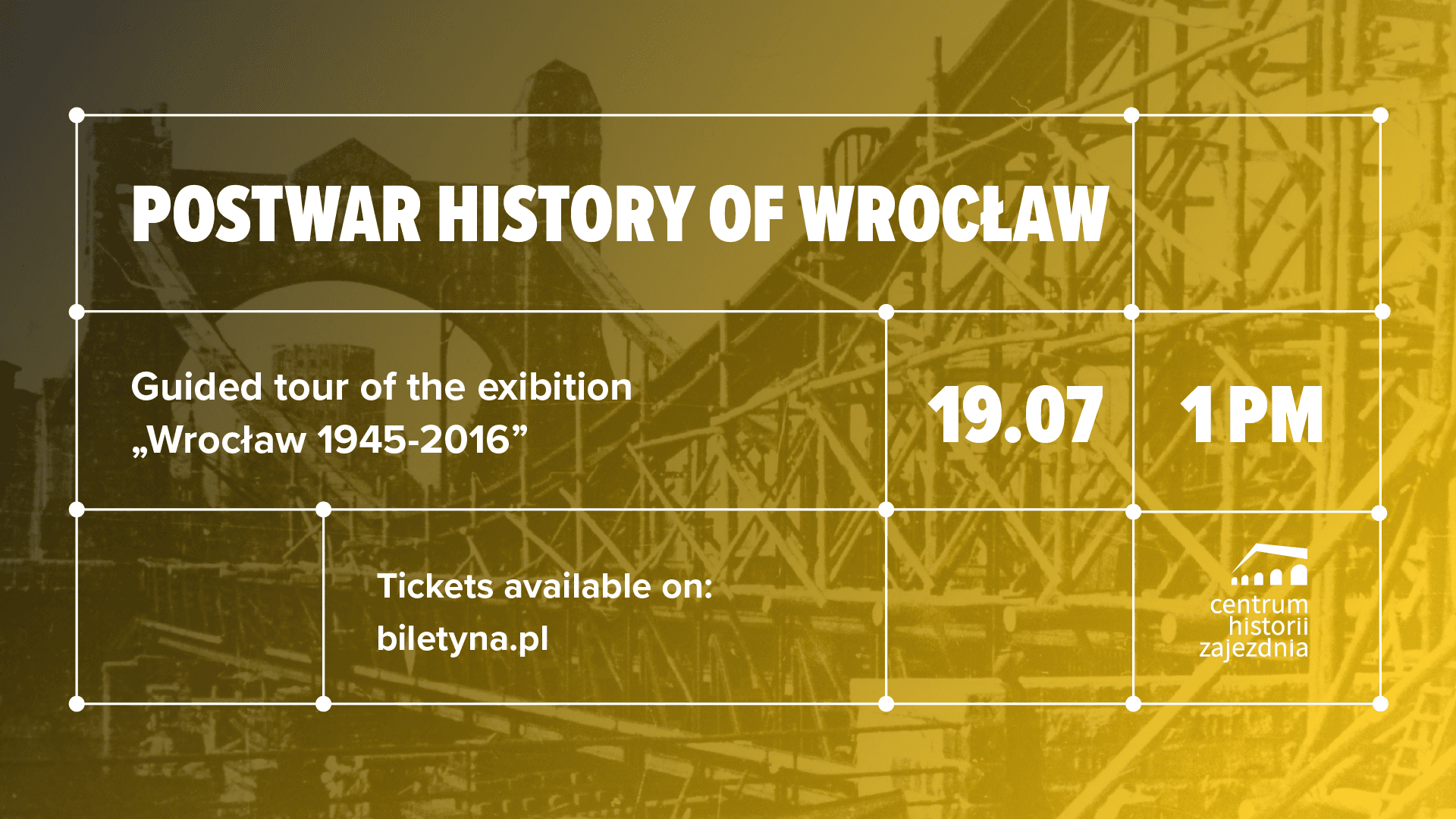
On Saturday, 19 July, English speakers have the opportunity to explore that story during a special guided tour in English at Centrum Historii Zajezdnia, one of Wrocław’s most important museums dedicated to the city’s recent past.
While the museum regularly welcomes international visitors, guided tours in English are offered only occasionally, making this event particularly valuable for expatriates, students, tourists and anyone wanting to better understand the city they are visiting or now call home.
The story behind modern Wrocław
To understand today’s Wrocław, it helps to know what happened after 1945.
Following the Second World War, the German city of Breslau became part of Poland. Much of the city’s population was displaced, while new residents arrived from different parts of Poland, including families forced to leave territories that today lie within Ukraine, Lithuania and Belarus.
Within just a few years, Wrocław became an entirely new city, shaped by people rebuilding their lives alongside streets, buildings and neighbourhoods that had survived the devastation of war.
The museum’s permanent exhibition, Wrocław 1945–2016, explores this extraordinary transformation through personal stories, original artefacts, photographs, film, sound recordings and interactive multimedia displays. Rather than presenting history as a series of dates, it focuses on the people who created modern Wrocław and the events that shaped the city’s identity.
History in the place where it happened
One of the most distinctive features of Centrum Historii Zajezdnia is its location.
The museum occupies a former tram and bus depot on Grabiszyńska Street, a site that played a significant role in Poland’s modern history. In August 1980, transport workers based here joined the nationwide strikes organised by the Solidarity movement, which challenged communist rule and eventually contributed to the democratic changes that swept across Central and Eastern Europe.
Exploring these stories inside the original depot gives visitors a deeper connection to the events than a traditional museum setting could offer.
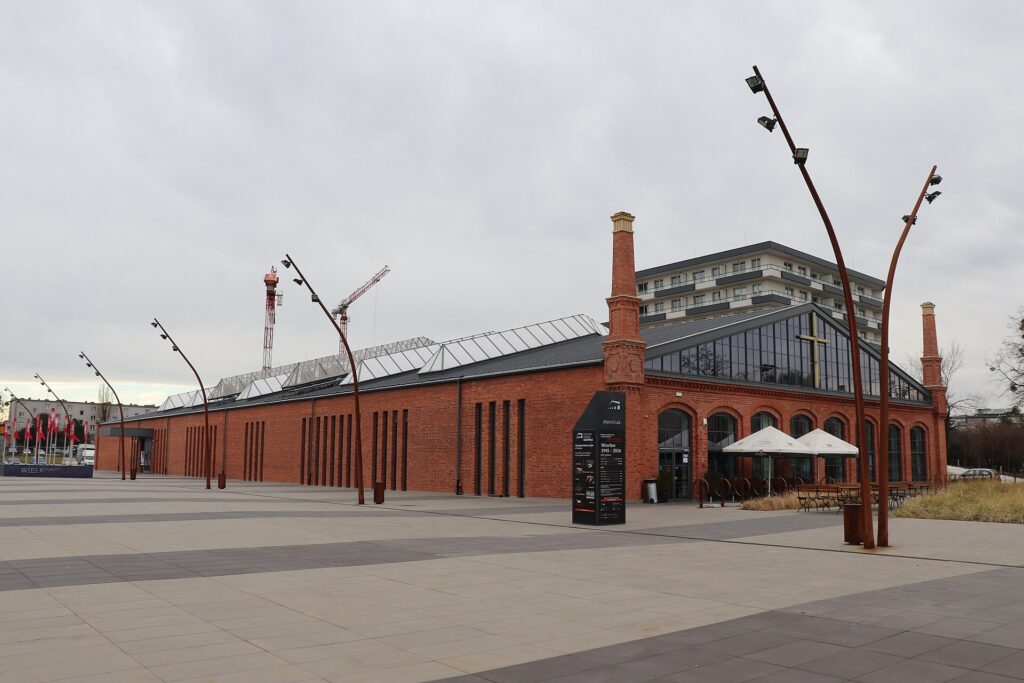
Centrum Historii Zajezdnia – Credit: Andrzej Otrębski – Licensed under: CC BY-SA 4.0
More than a museum for history enthusiasts
Although the exhibition covers politics and major historical events, it is equally about everyday life.
Visitors can discover how families adapted to a changing city, how neighbourhoods developed, how industry evolved and how ordinary residents helped shape Wrocław into the vibrant cultural centre it is today.
The exhibition also explores themes that continue to resonate across Europe, including migration, identity, rebuilding communities and preserving local heritage.
For international residents, it provides valuable context that helps explain why Wrocław is unlike any other major Polish city.
Why this English-language tour is worth joining
Museum displays often contain far more information than can be absorbed during an independent visit. A guided tour helps bring those stories together, providing historical background, answering questions and highlighting objects that visitors might otherwise overlook.
For those who have recently moved to Wrocław, the tour offers an excellent introduction to the city’s modern identity. For tourists, it provides a deeper understanding of the places explored elsewhere in the city, from the Market Square to the Centennial Hall and beyond.
As English-language museum tours remain relatively uncommon in Wrocław, this is an opportunity that international visitors may not want to miss.
Event Details
Event: English-language guided tour of the permanent exhibition Wrocław 1945–2016
Date: Saturday, 19 July 2026
Time: 1:00 pm
Venue: Centrum Historii Zajezdnia, ul. Grabiszyńska 184, Wrocław.
Language: English
Admission: Standard museum admission applies. Booking is recommended through Centrum Historii Zajezdnia.
Make the most of your visit
Allow at least two hours to explore both the guided tour and the permanent exhibition.
Centrum Historii Zajezdnia is easily reached by public transport from Wrocław city centre and is well worth combining with a walk through nearby Grabiszyn Park or a visit to the riverside areas west of the Old Town.
Whether you are discovering Wrocław for the first time or have lived here for years, understanding its post-war history offers a new perspective on the city and the communities that continue to shape it today.
Many European cities have long, complex histories, but few have experienced a transformation as profound as Wrocław. The special English-language tour at Centrum Historii Zajezdnia offers international audiences a chance to explore that journey in greater depth, providing context that goes far beyond the city’s most photographed landmarks.