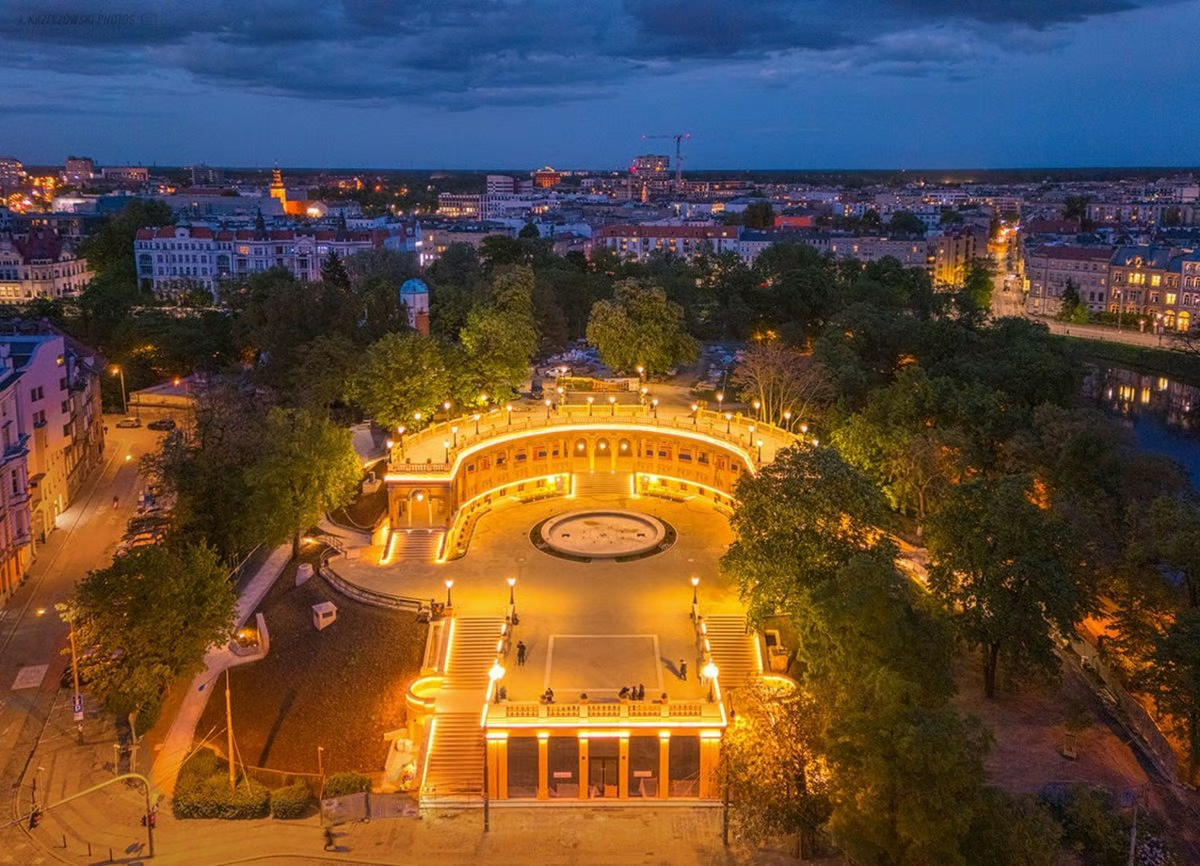
A historic fort turned into a city living room. An elegant set of terraces that glow after dusk. A vantage point over the City Moat, just minutes from the railway station. Bastion Sakwowy is back—restored, renamed, and already buzzing with life. If you haven’t climbed its steps since the renovation, now’s the perfect time to rediscover one of Wrocław’s most distinctive landmarks.
Opening & Access
Bastion Sakwowy—known to generations as Partisan Hill—officially reopened to the public on 8 June 2024, following final acceptances on 27 May. Wrocław residents were finally able to see, up close, what careful conservation and a respectful refresh can do to a place this beloved. The site is free to enter and open around the clock, transforming it into a day-and-night meeting point for locals and visitors alike.
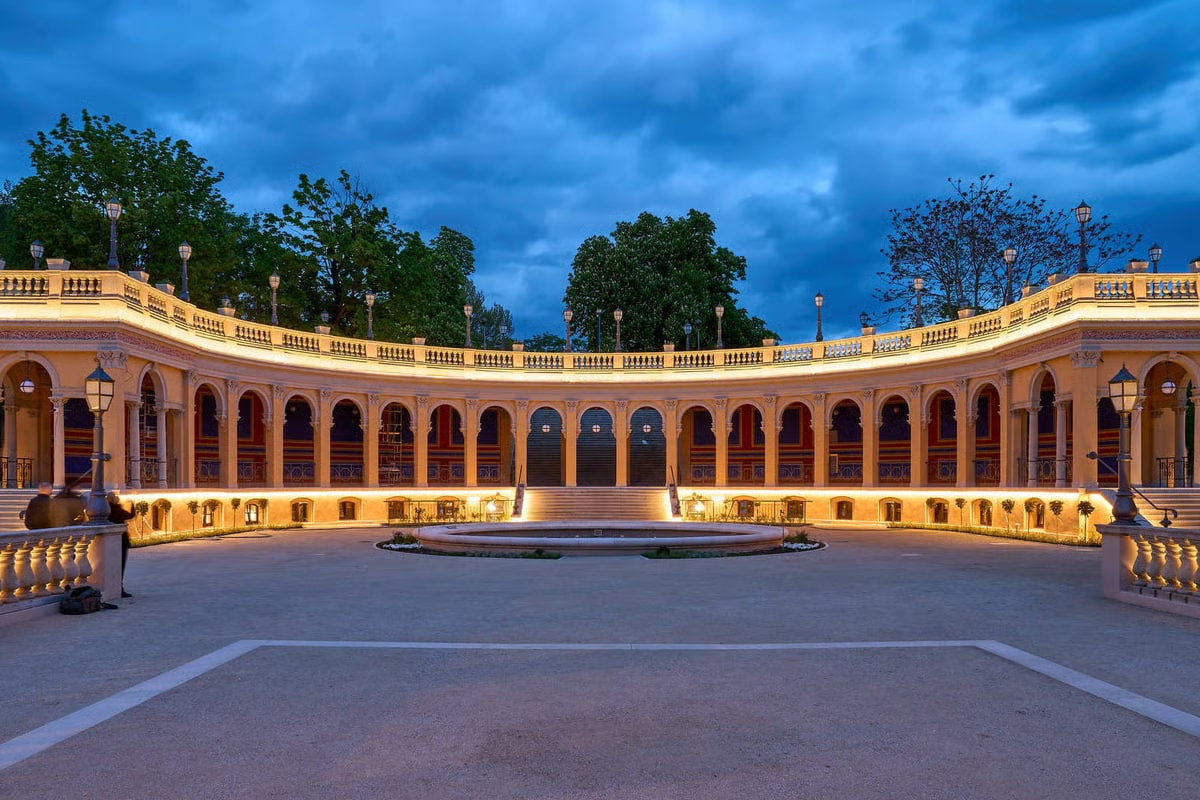
What exactly is Bastion Sakwowy?
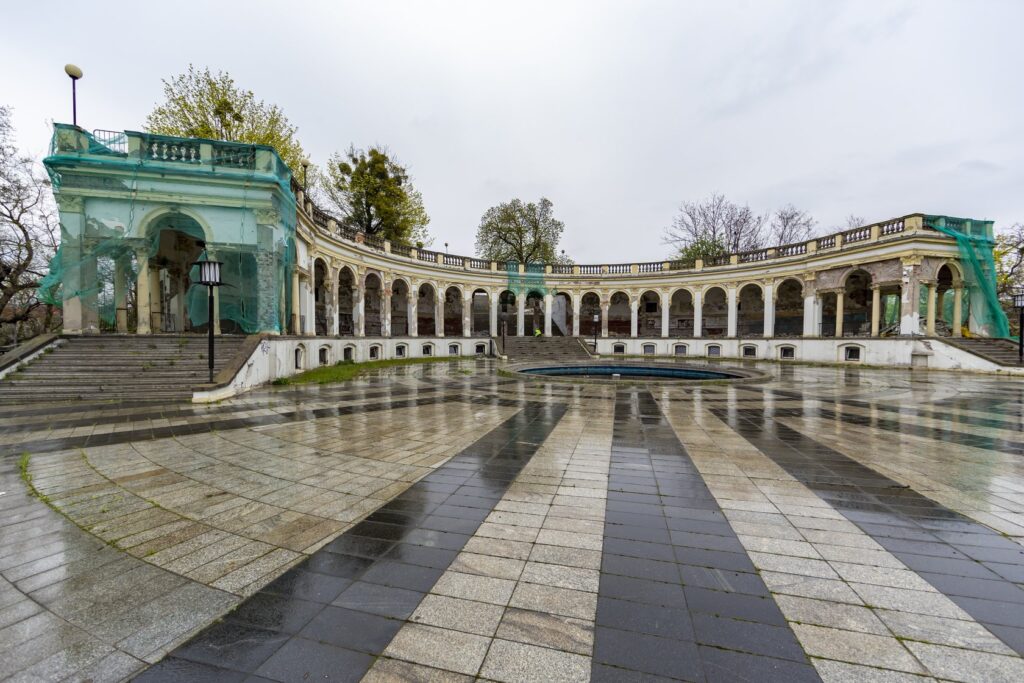
In simple terms: Bastion Sakwowy is a fragment of Wrocław’s former fortifications at the south-eastern edge of the historic centre, reshaped over centuries and crowned in the 19th century with a refined, Italianate composition of terraces, colonnades and fountains. That 19th-century layer—funded by industrialist and patron Adolf Liebich to commemorate his brother Gustav—gave Wrocław a favourite promenade, complete with café culture, music and generous views across the moat. The latest restoration leans into that story, reviving the warm historical colour palette, the distinctive lighting after dusk and the leisurely rhythm of a city stroll.
Discover Wrocław with our recommended guided tours in English!What you’ll find today
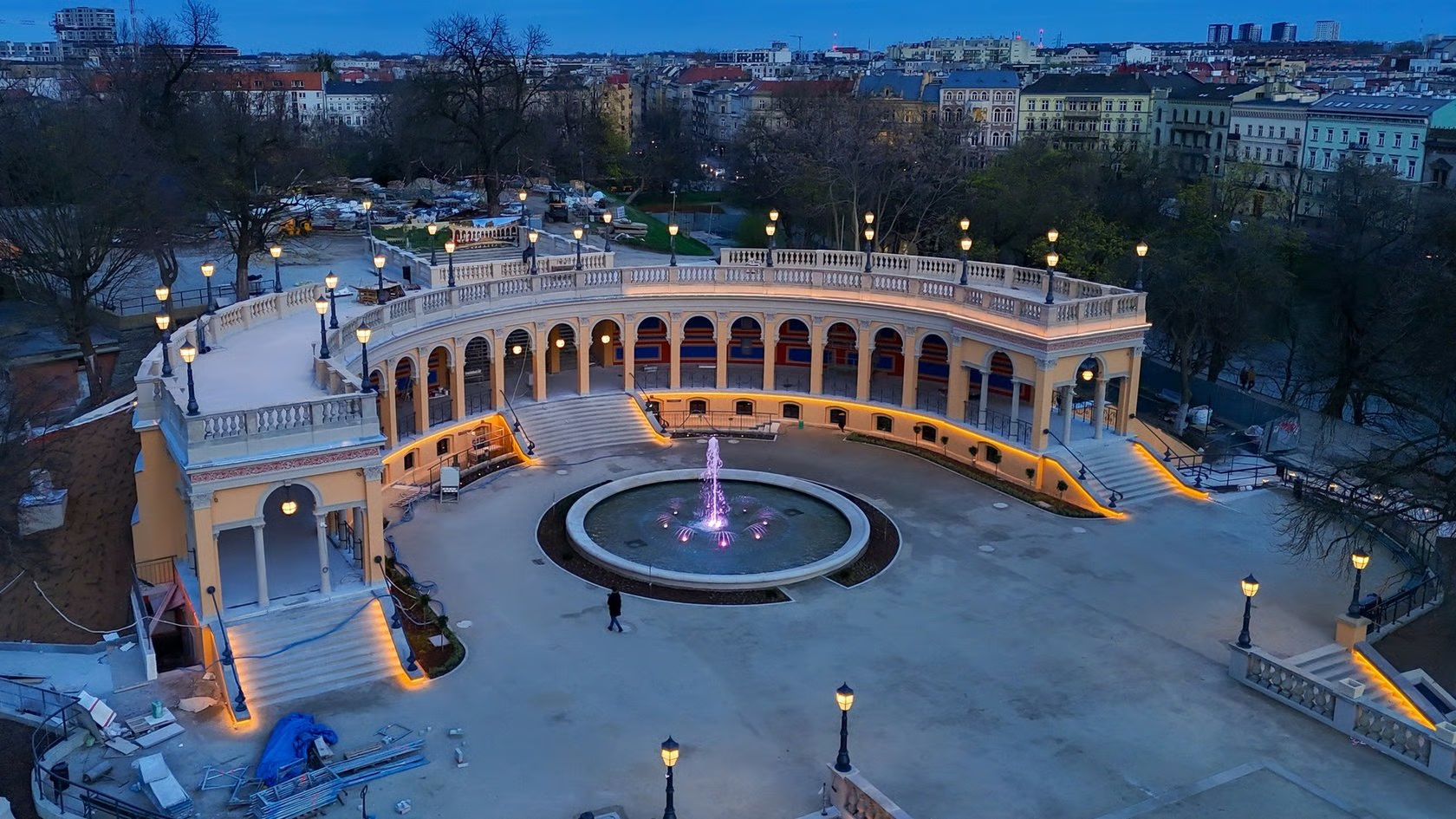
The refresh is as practical as it is pretty. Terraces and balustrades are secure and walkable; plantings are thoughtful and period-inspired; the central fountain once again anchors the lower court. Two hospitality anchors bring the hill to life: a café beneath the colonnade, tucked into the atmospheric underground section, serving coffee and cakes and often hosting intimate cultural events—concerts, exhibitions and author evenings—and a full-service restaurant in the peristyle pavilion, which makes Bastion Sakwowy a natural stop for dinner after a twilight walk.
By day, the hill is a breezy place for prams, sketchbooks and unhurried chats; by night, the lighting scheme washes the arcades and steps in warm tones, while the City Moat mirrors the glow. It’s a reliable setting for photographs, proposals or just a quiet look at the skyline.
A short history—now in one breath
The story of Bastion Sakwowy begins in the Middle Ages, when the area served as Brama Sakwowa (Saddle-bag Gate). Its name came from the guild of purse-makers who worked nearby—and, according to the customs of the time, were also responsible for defending this part of the city walls.
As warfare evolved and gunpowder became common, the gate was transformed in the 16th century into a modern artillery bastion. The new Bastion Sakwowy featured underground kazemates for ammunition and supplies, as well as splayed earthworks that offered wide views over the surrounding terrain.
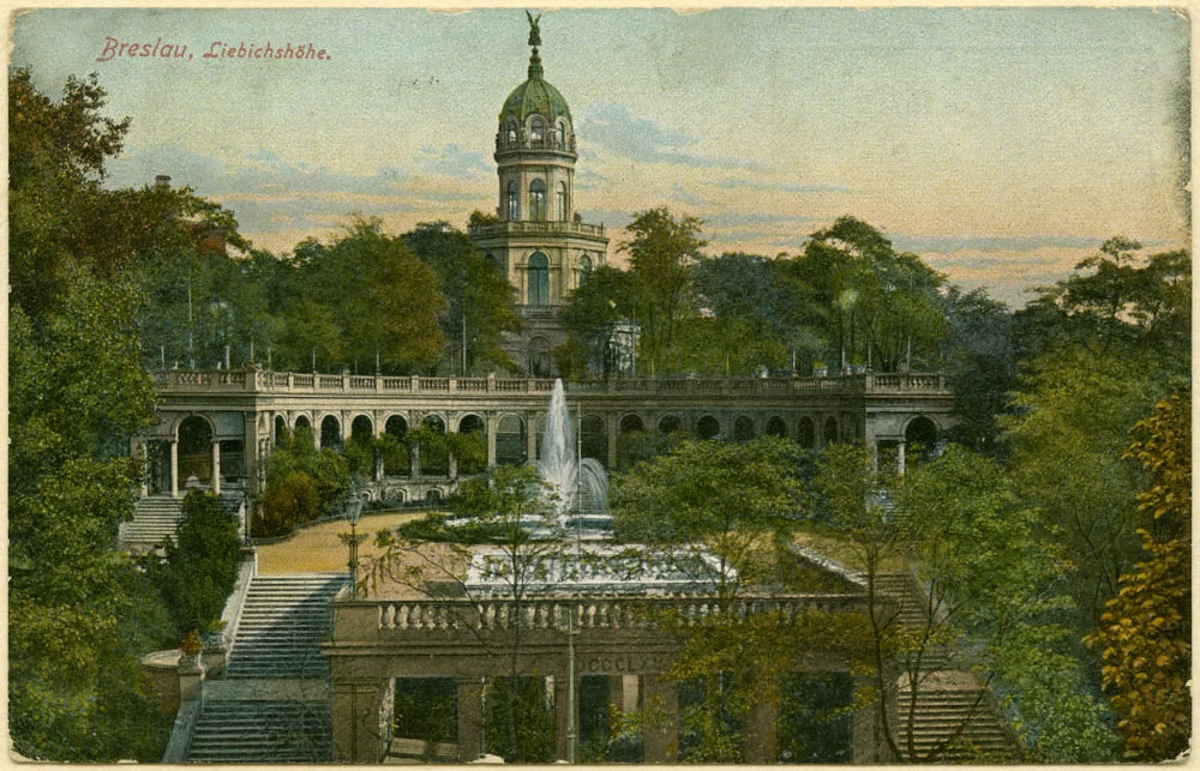
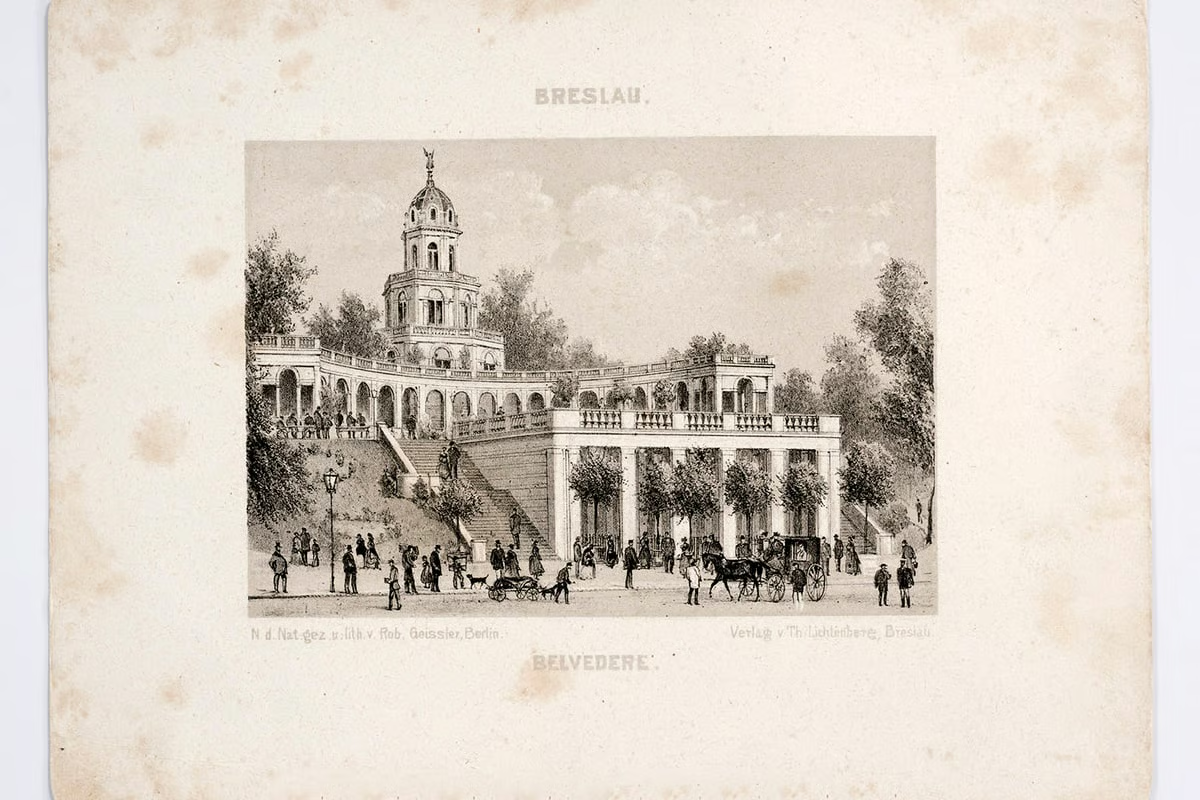
After the Napoleonic era made traditional fortifications obsolete, the site lost its military function and was turned into an elegant promenade. In 1867, thanks to the patronage of Adolf Liebich and the design of architect Carl (Karol) Schmidt, the hill gained its distinctive Italianate terraces, fountains, and a graceful belvedere crowned by a gloriette.
Wartime destruction and decades of neglect later dulled its charm, and for much of the 20th century it was known locally as Wzgórze Partyzantów (Partisan Hill). Finally, between 2022 and 2024, a meticulous restoration revived its original composition, colours, lighting, and landscaping—restoring not just its beauty but also its historical name: Bastion Sakwowy.
How to visit
- Hours & price: The grounds of Bastion Sakwowy are free and open 24/7, so you can drop in for sunrise jogs, lazy afternoon coffees or night-time rambles.
- Getting there: Tram and bus stops named after Bastion Sakwowy put you within steps of the terraces. It’s roughly a 10-minute walk from Wrocław Główny (the Main Railway Station), making it easy to fold into a one-day city route.
- Parking & bikes: Limited street parking sits near ul. Piotra Skargi and ul. Nowa (often easier on weekends and holidays). Consider nearby garages at Dominikańska, Renoma, the National Forum of Music or Nowy Targ. New bike racks have appeared along ul. Nowa, with more planned around the stairways.
- Guided tours: The city doesn’t run daily guided visits, but many local guides include Bastion Sakwowy on Old Town routes—often combined with Park Staromiejski, the Puppet Theatre and the Opera in one direction, or the Panorama Racławicka and the ivy-clad National Museum in the other.
Nearby: make it a longer walk
Bastion Sakwowy sits on the Promenada Staromiejska, the green ribbon that traces the line of the former fortifications along the moat. Use the terraces as your starting balcony: head west towards Park Staromiejski and the Opera, or loop east past Juliusz Słowacki Park to the Panorama Racławicka. If you like heights, combine the hill with a climb to St Elizabeth’s Church viewpoint or the Penitent Bridge by St Mary Magdalene for a multi-angle look at Wrocław’s rooftops, spires and the glint of the Odra.
Here are 3 of our favourite walking trails in Wrocław!Practical tips for a great visit
- Best light: Aim for golden hour if you want the richest colours on the arcades and reflections in the moat.
- Footwear: There’s a short climb, so go for comfortable shoes.
- Food & drink: Drop by the café beneath the colonnade for a daytime break; book the pavilion restaurant if you’re planning dinner with a view.
- Photos: The upper balustrades and the edges of the terraces frame the moat and skyline perfectly—step back for symmetry, then move in for the textures of stone, iron and greenery.
The Bottom Line
If you’re sketching a Wrocław itinerary, prioritise Bastion Sakwowy. It’s central, free, open at all hours and layered with stories—from Brama Sakwowa to Liebich’s Italianate fantasy to today’s revived city balcony. Come for the vistas and the architecture; stay for the easy pace, the coffee under the arches and the sense that Wrocław has reclaimed a piece of itself.
What to do in Wrocław when the air gets crispy and leafs turn yellow?