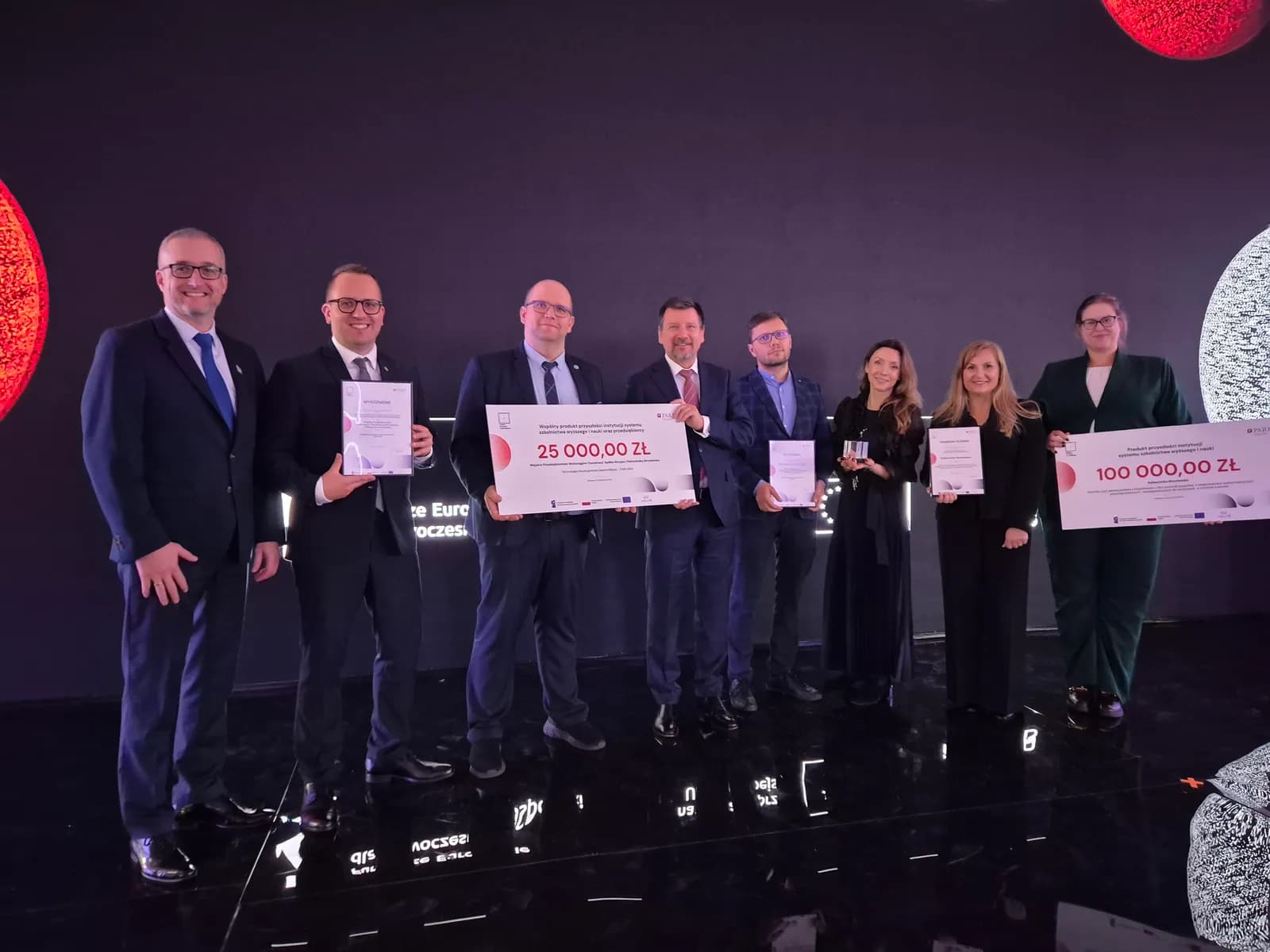
A wastewater treatment innovation developed in Wrocław has received national recognition for its potential to make sewage treatment more energy-efficient. TWIN-NOX, a technology created through collaboration between the municipal water company MPWiK Wrocław and Wrocław University of Science and Technology, was recognised at the Polish Product of the Future competition in Warsaw on 20th October 2026.
The project focuses on a specific but important challenge for cities: removing nitrogen from wastewater while reducing the energy needed to treat it. The technology has been patented, its full-scale installation has been built at Wrocław’s Janówek Wastewater Treatment Plant, and commissioning is under way.
For Wrocław, the project is an example of local research moving beyond the laboratory and into the infrastructure that keeps the city running.
How TWIN-NOX removes nitrogen from wastewater
Conventional biological nitrogen removal can require substantial amounts of energy, particularly for aeration, which supplies oxygen to the microorganisms involved in treatment.
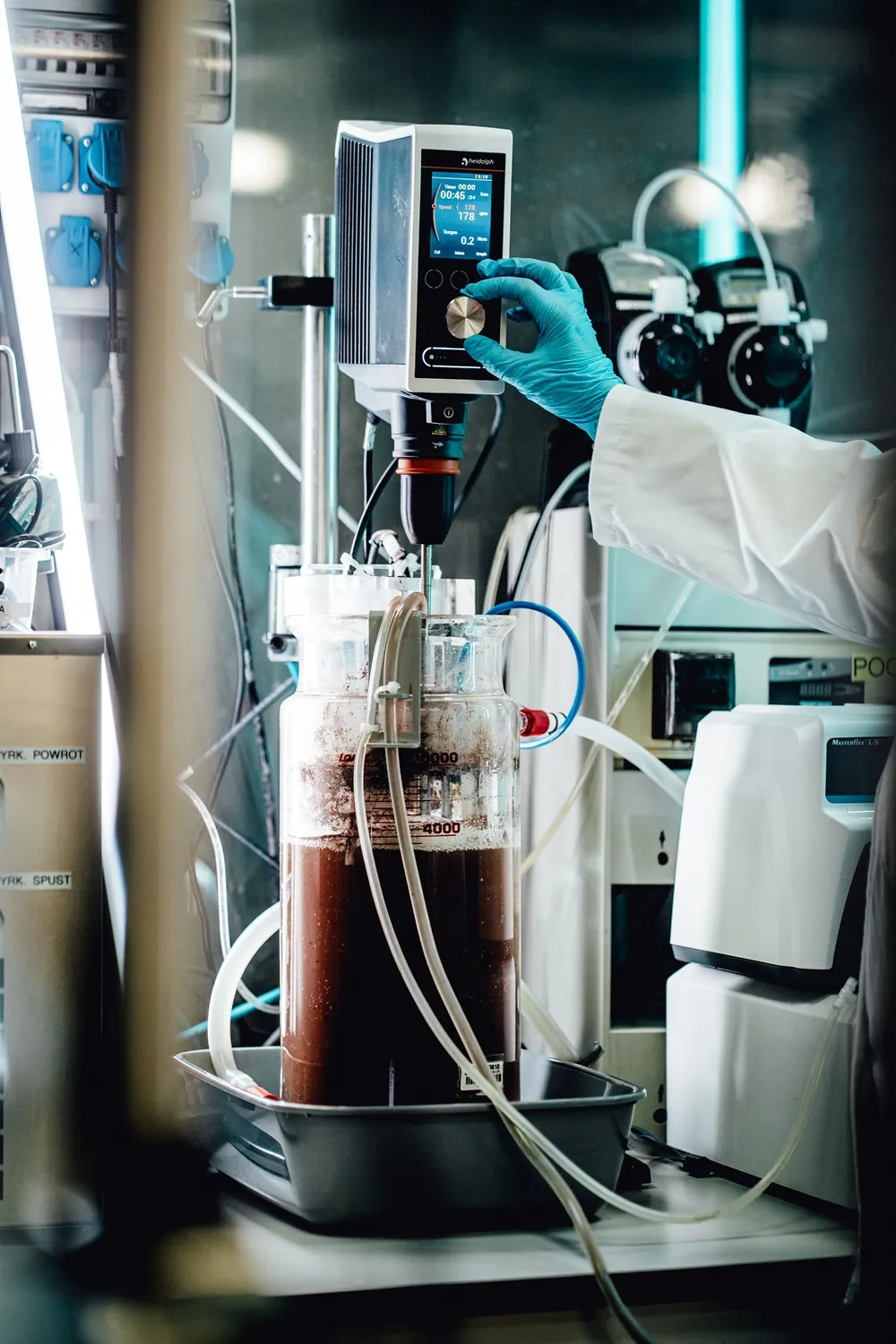
TWIN-NOX uses a process known as two-stage deammonification. Specialised bacteria convert nitrogen compounds through a biological process that requires considerably less oxygen than conventional methods.
The resulting nitrogen is released as nitrogen gas, the same gas that makes up approximately 78% of the air in the Earth's atmosphere.
According to the project team, the technology can remove around 90% of the nitrogen in the treated stream while using less than half the oxygen required by conventional approaches. Lower oxygen demand can reduce electricity consumption and the associated carbon footprint of wastewater treatment.
The process is designed to treat nitrogen-rich wastewater generated during sludge processing and fermentation, streams that can place a considerable burden on treatment plants.
Rather than relying on a single biological stage, TWIN-NOX separates the process into two independently controlled stages. Operators can monitor and adjust each one separately, improving their ability to maintain stable treatment conditions and respond to changes in the wastewater.
Tomasz Konieczny, Director of the Investment and Development Centre at MPWiK Wrocław, explained:
“The greatest value of TWIN-NOX lies not only in its high nitrogen removal efficiency, but also in its operational safety. Separating the process into two independent stages gives operators much greater control over how it works and allows them to respond more quickly to any changes. This makes the installation more stable, less susceptible to disruption and easier to operate.”
A full-scale installation at Janówek
The technology is the result of years of research involving MPWiK Wrocław and Wrocław University of Science and Technology. Before construction moved forward, the team conducted an experiment lasting almost a year to demonstrate that the reactors could operate efficiently and consistently.
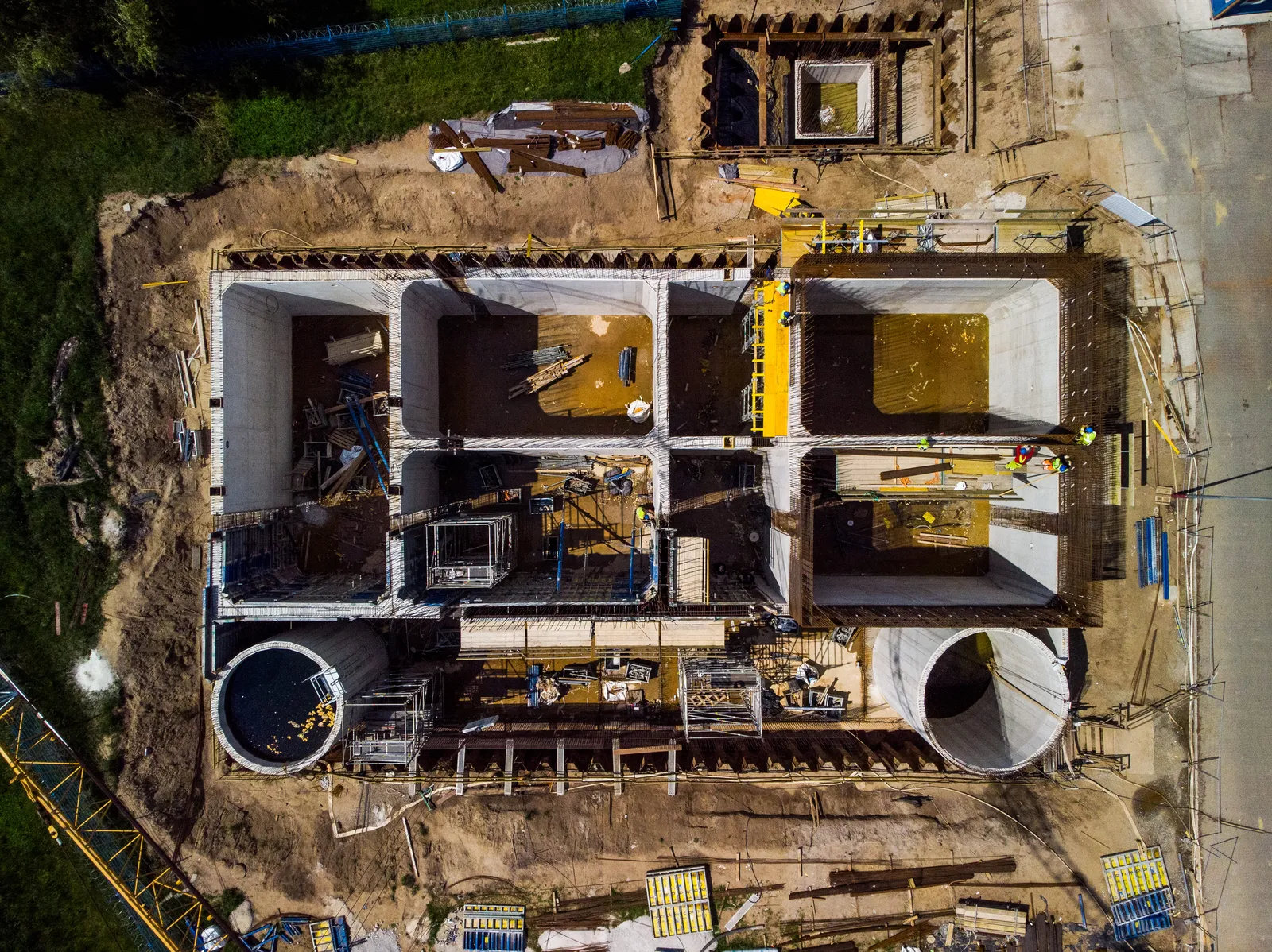
The full-scale installation at the Janówek Wastewater Treatment Plant represents an investment worth well over PLN 100 million, according to the project information supplied by MPWiK. Commissioning began approximately two months before the award ceremony.
The project also includes the possibility of producing bacteria that support biological wastewater treatment, extending its potential applications beyond nitrogen removal alone.
Dr Kamil Janiak, a co-creator of the technology and project coordinator, said:
“We can say with full confidence that this technology is ready to be used worldwide in modern wastewater treatment plants looking for ways to reduce energy consumption and improve operational efficiency.”
That international potential is already attracting interest. MPWiK reports that other water and wastewater companies have made enquiries about the patented technology and that the first licensing agreement has been signed.
Polish research meets municipal engineering
TWIN-NOX was developed jointly by MPWiK Wrocław and Wrocław University of Science and Technology, bringing academic research together with the practical experience of a municipal utility.
The partnership has been supported by MPWiK’s Centre for New Technologies, established in 2011 to coordinate research and development and strengthen cooperation with the scientific community. The centre operates research facilities for work on both water treatment and wastewater treatment.
Witold Ziomek, President of MPWiK Wrocław, said the award recognised both the technology and the partnership behind it:
“This award is particularly valuable to us because it recognises not only the technology itself, but also the collaboration that made it possible. TWIN-NOX is the result of years of work by scientists at Wrocław University of Science and Technology, MPWiK engineers and experts from our Centre for New Technologies. Together, we have demonstrated that combining academic knowledge with the experience of an operating company can produce solutions to the real challenges facing the modern world.”
He added that the water and wastewater sector needed innovations that could protect the environment while making rational use of energy.
Professor Renata Krzyżyńska, Vice-Rector for Cooperation with the External Environment at Wrocław University of Science and Technology, highlighted the importance of turning research into practical applications:
“TWIN-NOX clearly demonstrates how much can be achieved through close cooperation between the scientific community and a company willing to implement new solutions in practice. It is precisely these partnerships that allow research findings to be transformed into technologies that address the real needs of the economy and society.”
Recognition at the Polish Product of the Future awards
The award was presented during the 27th edition of the Polish Product of the Future competition, organised by the Polish Agency for Enterprise Development (PARP). A total of 157 projects from across Poland were assessed this year.
The competition recognises innovative products and technologies with practical applications and commercial potential. TWIN-NOX stood out as a development addressing the operational and environmental challenges faced by wastewater treatment plants.
Krzysztof Gulda, President of PARP, said the competition helps innovative projects build credibility, attract customers and pursue opportunities in international markets.
Grzegorz Orawiec, Director of the Department of Innovation and Development Support Programmes at the Ministry of Funds and Regional Policy, also highlighted the role of municipal companies in the wider economy. He described the collaboration between MPWiK and the university as an example of how science, business and local government can work together to improve essential infrastructure.
For Wrocław, the recognition places a locally developed environmental technology among Poland's notable innovation projects, with potential applications well beyond the city.
Another international achievement for Wrocław’s water company
The Polish Product of the Future recognition follows another recent award for MPWiK Wrocław. On 6th October 2026, the company received an IWA Project Innovation Award from the International Water Association for a project focused on reducing water losses.
That initiative has helped Wrocław save millions of cubic metres of water each year, according to the company.
Together, the two projects highlight different challenges facing urban water management: conserving treated water as it travels through distribution networks and reducing the resources required to process wastewater.
TWIN-NOX now moves into its operational phase at Janówek, where its performance at full scale will be central to demonstrating the technology’s wider potential. With a patent in place and a licensing agreement already signed, Wrocław’s approach could eventually find a place in wastewater treatment plants in Poland and abroad.
For residents, the benefits of more efficient wastewater treatment could include lower energy requirements, reduced emissions and improved environmental performance from essential municipal infrastructure. The next stage will be to establish how effectively the technology delivers those benefits in everyday operation.