Wrocław Zoo has reached a remarkable milestone after welcoming the first Komodo dragon ever born in Poland. The hatchling, which emerged in the zoo’s Terrarium pavilion, also represents the first successful breeding of the species in the zoo’s history and is considered a significant achievement for European conservation programmes.
The young reptile hatched on 22 June after an incubation period of 202 days. What makes the birth especially extraordinary is that it occurred through parthenogenesis, a natural form of reproduction in which an embryo develops without fertilisation by a male. While rare, this phenomenon has previously been documented in Komodo dragons and demonstrates one of the species’ most fascinating biological adaptations.
A Tiny Dragon With a Remarkable Beginning
The hatchling measured around 34 centimetres in length and weighed 115 grams when it emerged from its egg, giving it a healthy start in life.
Keepers have informally nicknamed the youngster Florian, or Florek for short, inspired by his mother, Flores.
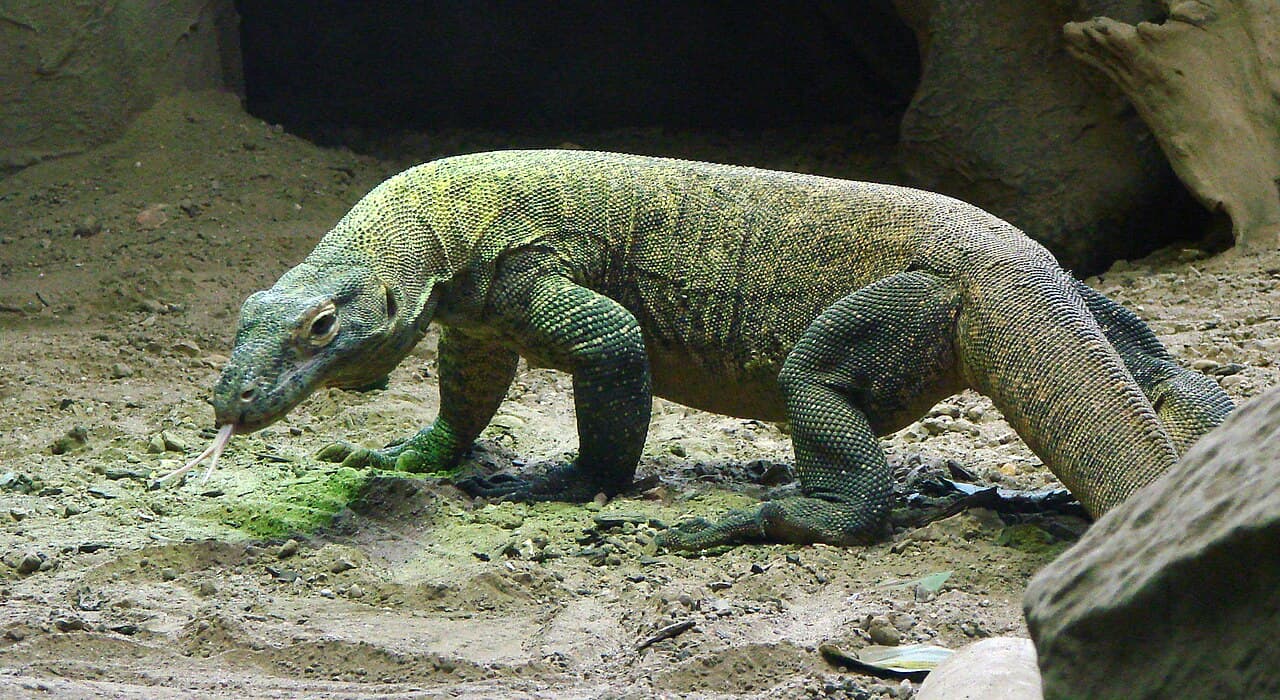
Although adult Komodo dragons are known for their powerful build and uniform colouring, youngsters look very different. Florek displays striking bands and spotted markings across his body, providing effective camouflage during the vulnerable early months of life.
In the wild, young Komodo dragons instinctively climb into trees almost immediately after hatching. Remaining above ground helps protect them from predators, including adult Komodo dragons, which are known to exhibit cannibalistic behaviour.
Growing Behind the Scenes
For now, visitors will need to be patient before meeting Wrocław Zoo’s newest resident.
Florek is currently being cared for in the zoo’s breeding facilities, where he is spending his first weeks growing stronger under the close supervision of experienced keepers. Having only recently begun feeding independently, he requires a quiet environment before he is ready to move into a public enclosure.
The zoo has confirmed that he will only make his public debut once he has reached an appropriate size and developed sufficient resilience.
An Important Step for Global Conservation
The successful hatch has significance well beyond Wrocław.
Komodo dragons are listed as an endangered species, with wild populations restricted to a handful of Indonesian islands. Habitat loss, human activity and environmental pressures continue to threaten their future.
Responsible breeding programmes in accredited zoological institutions play an important role in maintaining healthy genetic populations and safeguarding the species for the future. Achievements such as this provide valuable knowledge that supports international conservation efforts.
Wrocław Zoo, together with the DODO Foundation, also contributes directly to protecting Komodo dragons in their natural habitat. The organisation supports research and conservation work in the Wae Wuul Reserve on the Indonesian island of Flores, helping to preserve wild populations alongside ex situ breeding programmes.
For visitors, Florek’s arrival is a reminder that modern zoos increasingly combine education, scientific research and international conservation, ensuring that iconic species such as the Komodo dragon continue to have a future both in human care and in the wild.
Looking for things to do in Wrocław? Here is our quick day trip guide!