In the heart of Wrocław, just east of the Old Town’s historic Market Square, stands a building that hums with daily life and whispers stories of the past. Hala Targowa in Wrocław is far more than just a marketplace—it’s an enduring symbol of the city’s commercial heritage, architectural ambition, and urban resilience. Whether you’ve recently moved here, are planning your first visit, or you’re just curious about the city’s soul, Hala Targowa in Wrocław is a landmark that deserves your time and attention.
From Open-Air Markets to Engineering Marvel
The roots of Hala Targowa in Wrocław trace back to the city’s medieval foundations, when bustling trade on squares like Rynek (Market Square), Plac Solny (Salt Square), and Nowy Targ (New Market) brought prosperity and vibrancy to Wrocław. These spaces, still part of the city’s urban layout, once hosted a lively network of open-air stalls and shouting merchants. But by the late 19th century, the need for a cleaner, more structured trading environment was clear. The city council responded with plans for modern market halls.
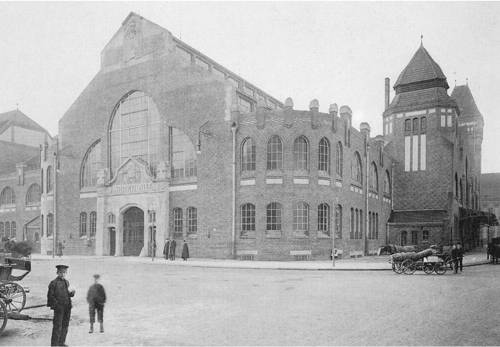
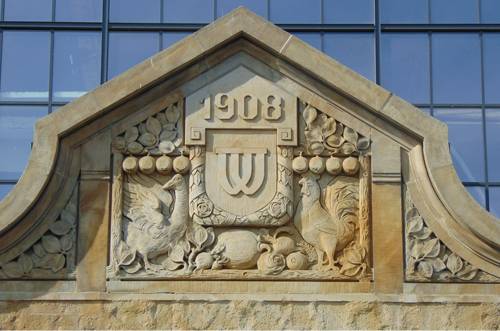
A Polish soldier that was a bear: read more!Only two were built—Hala Targowa I and II—and only one survives today. That survivor is Hala Targowa in Wrocław, constructed between 1906 and 1908 at the junction of Piaskowa Street, Świętego Ducha Street, and Nankiera Square. It occupies a site steeped in history, once home to a 14th-century bishop’s manor later converted into a military arsenal.
Concrete Arches and Stone Memories
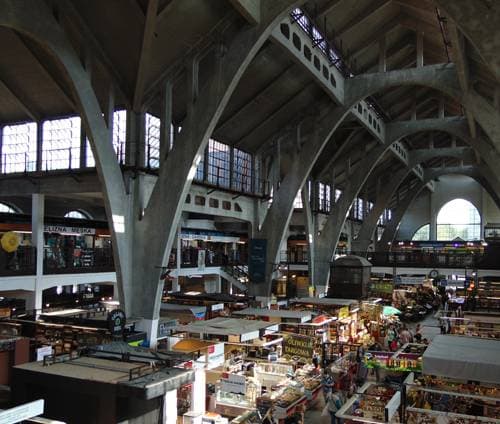
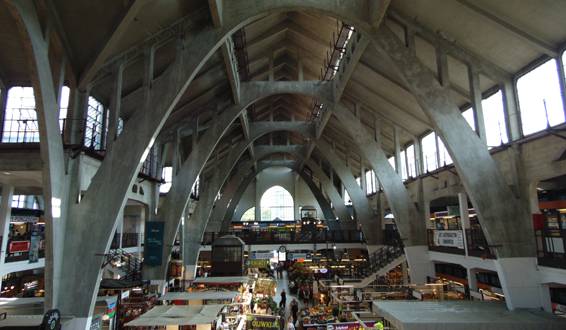
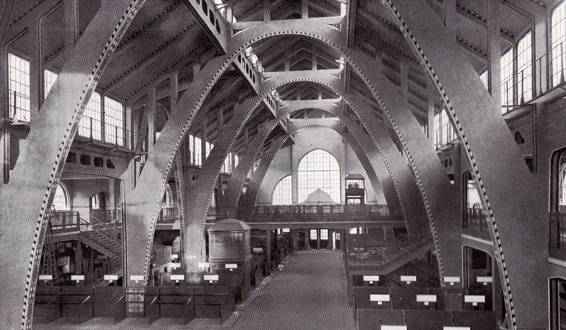
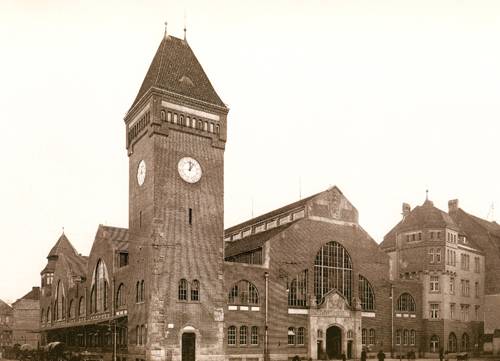
Designed by Richard Plüddemann and Heinrich Küster, Hala Targowa in Wrocław was a technological leap forward. Its use of parabolic reinforced concrete arches—an innovation almost unheard of at the time—gave the structure both elegance and durability. These sweeping forms define the building’s interior, supporting a vast open space that’s flooded with natural light.
Outside, the hall features a rich mix of styles: neo-Gothic brick façades, Art Nouveau sandstone portals, and decorative details that nod to its past. Cannonballs discovered during excavation were embedded in the north wall—a tribute to the arsenal that once stood here. Reliefs, coats of arms, and two striking towers (one formerly housing a clock) make this building a feast for the eyes of any architecture lover.
War Damage, Revival, and Endurance
Like much of Wrocław, the hall was scarred by World War II—its roof and part of the basement ceiling were damaged. Yet it quickly bounced back. By 1948, trading resumed. A major renovation in the 1980s preserved the historical character while modernising the space. Today, Hala Targowa in Wrocław continues to function as a vibrant market, anchoring the community and attracting visitors from near and far.
A Marketplace Still Full of Life
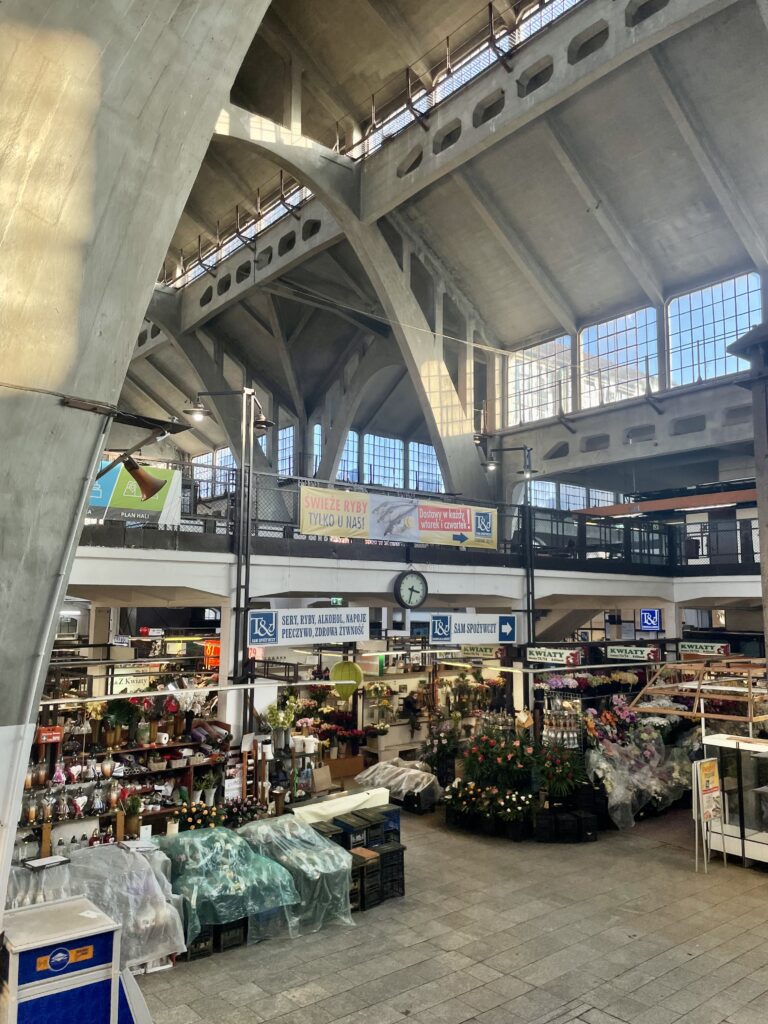
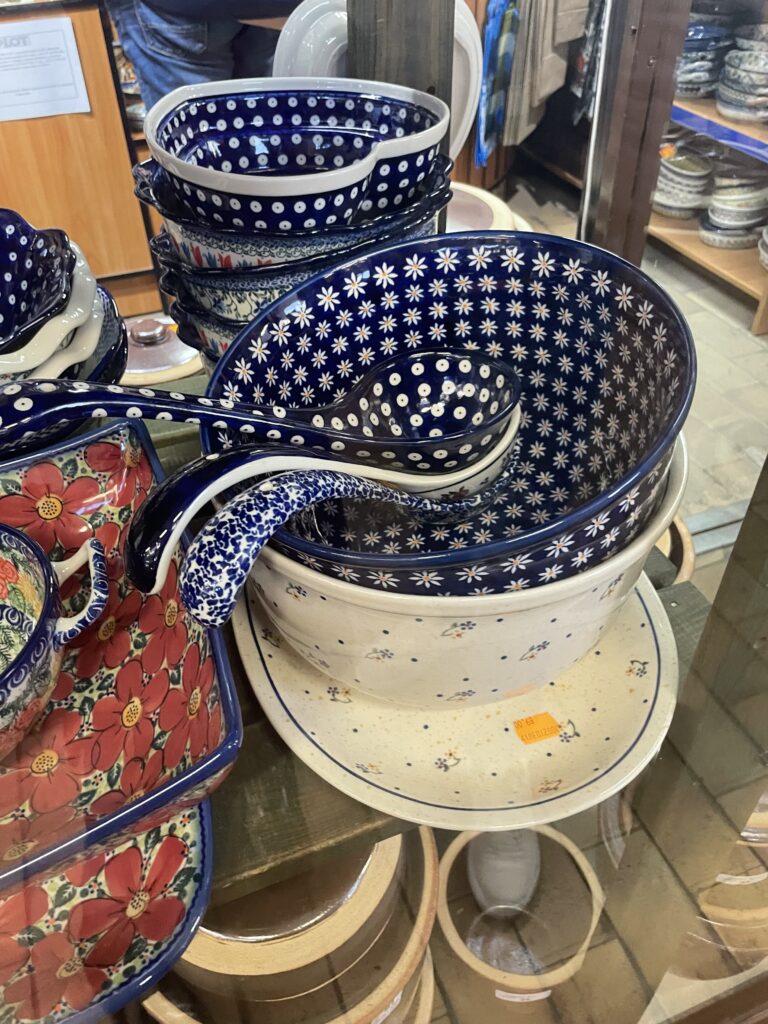
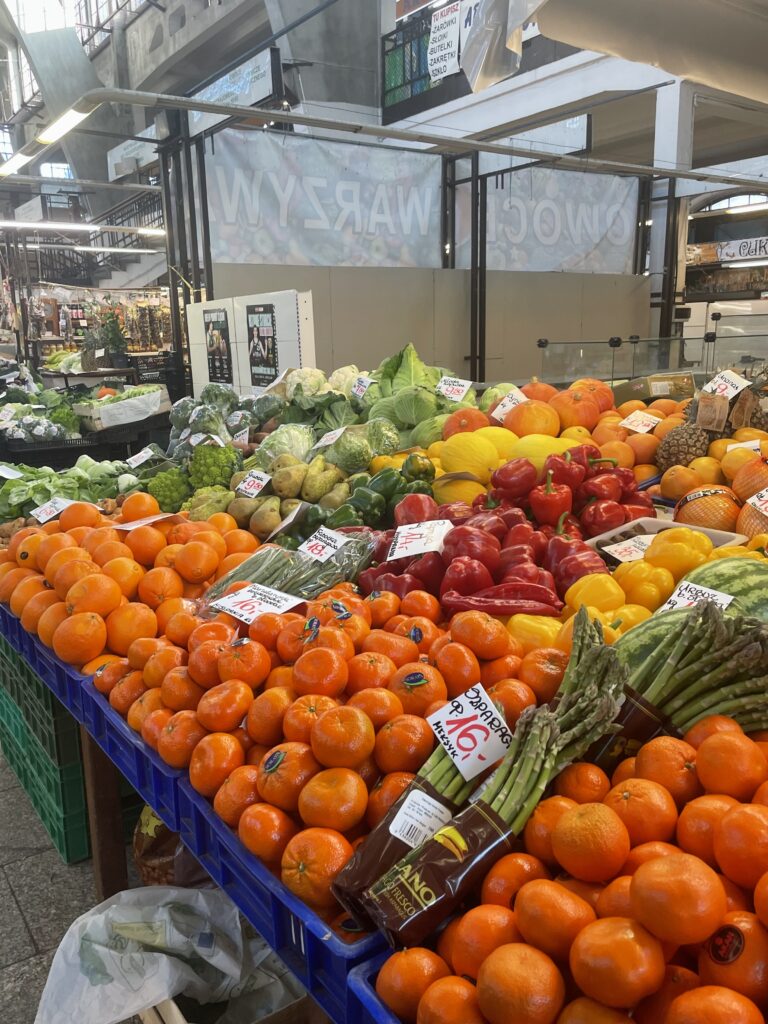
Step inside Hala Targowa in Wrocław early in the morning, and you’ll feel its heartbeat. Vendors arrive before dawn to stock stalls with regional meats, fresh fish, crusty bread, seasonal fruit, and flowers so fresh they might have dew on them. It’s not just food—you’ll also find florists, tailors, barbers, and even a clockmaker.
The market’s charm lies in its authenticity. While you can pick up everyday groceries here, you’ll also see tourists marvelling at the ironwork balustrades and photographing the intricate plasterwork. There’s a mezzanine level for wandering and cafes where locals sip espresso beneath century-old arches.
Behind the Clock and Above the Crowd
For those curious about hidden corners, Hala Targowa in Wrocław has secrets. With permission or a guide, you can explore the old clock tower, whose inner workings lie behind a discreet door and up a winding stairwell. From there, the roof offers rare views of Sand Island (Wyspa Piasek), Piaskowy Bridge, and the towers of Wrocław’s churches.
The southern tower, by contrast, houses the building’s powerful ventilation system. Even these functional elements reflect the building’s careful design—every detail has a purpose and a story.
A Living Link Between Past and Present
In a world of sleek shopping centres, Hala Targowa in Wrocław stands as a reminder of a different kind of commerce—one rooted in community, routine, and personality. Here, you don’t just shop; you interact, discover, and participate in a tradition over a hundred years in the making.
What do you know about the ‘comet of the century’?Whether you’re hunting for Polish cheeses, admiring secessionist staircases, or simply soaking in the atmosphere, Hala Targowa in Wrocław offers a uniquely Wrocławian experience. It’s a building that continues to evolve while holding tight to the past—a rare quality in any city.
So next time you’re nearby, skip the supermarket and step into a space where history lives, trades are made, and mornings begin before sunrise. Hala Targowa in Wrocław is waiting—full of stories, smells, and scenes you won’t find anywhere else.